Resources built for beverage alcohol suppliers and distributors focused on brand activation, retail execution, and measurable in-market impact. Learn how to turn co-op spend, promotions, and retail programs into repeatable, data-driven growth across on- and off-premise channels.

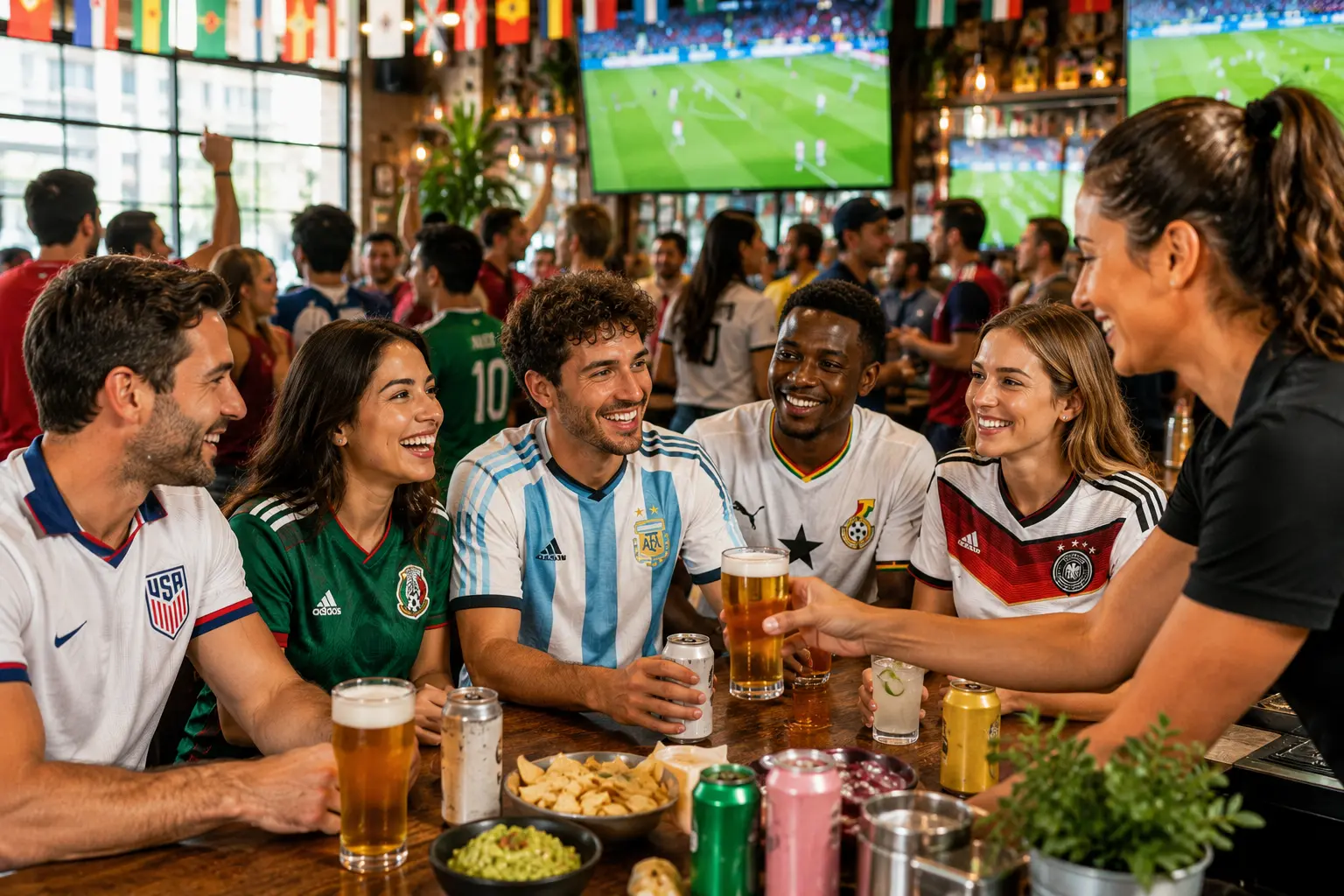
Fans representing multiple national teams enjoy drinks and food while gathering for a major soccer match in a packed neighborhood sports bar.
World Cup traffic is not a normal sports bump. It is not one big game, one long weekend, or one city getting loud for a few hours. The 2026 FIFA World Cup runs across 104 matches in 16 host cities across the U.S., Canada, and Mexico, according to FIFA’s official match schedule. That creates weeks of uneven, high-intent traffic: early kickoffs, lunch matches, after-work crowds, national fan bases, neighborhood watch parties, stadium district spillover, and casual fans looking for somewhere with the game on. That kind of demand does not reward bars that wait for…
Getting on the menu used to feel like the win. The supplier got the placement, the distributor got the account to say yes, and the rep could point to the printed list like proof something real had happened. But a line on a cocktail menu does not mean the bartender will recommend it. It does not mean the guest will notice it. It definitely does not mean the buyer will reorder it. The uncomfortable truth is simple: menu placement is inventory permission, not consumer demand. And right now, that distinction matters more than ever. Bars…
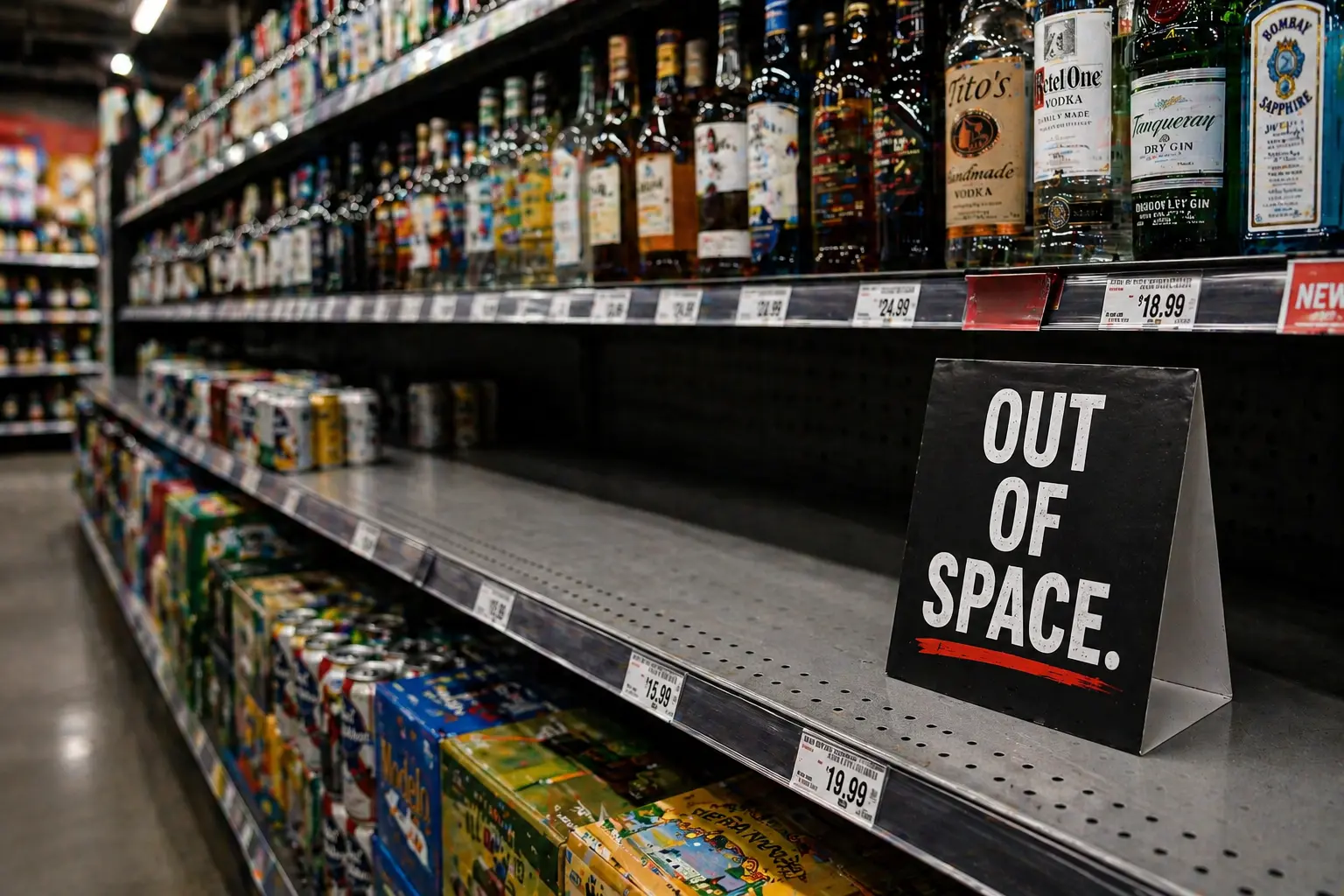
Nobody calls to tell you that you are losing. That is the part too many beverage alcohol brands still misunderstand. Retail does not fire you with a dramatic meeting. The buyer does not send a warning flare. The account just starts believing in you a little less. Facings disappear. Reorders get smaller. Displays do not come back after reset. The brand that looked safe in a national account review suddenly becomes dead weight in the set. That is what makes shrinking retail shelf space so dangerous. Most suppliers do not see the cut coming because…
Most beverage brands don’t fail because the liquid is bad. They fail because nobody talks about them once the sales rep walks into the account. That’s the part founders, suppliers, and marketing teams still don’t want to hear. The modern distributor portfolio is an overcrowded garage sale of RTDs, innovation launches, imports, flavor extensions, seasonal SKUs, “priority” brands, and corporate mandates that all somehow claim to be urgent at the same time. It’s chaos. And when portfolios get overloaded, reps stop selling strategically and start surviving tactically. That’s the real distributor portfolio overload problem. Not…
The beverage alcohol industry faces substantial transformation (IWSR 6 Key drivers shaping the industry) driven by changing consumer behaviors, compressed margins, distributor consolidation, and intense competition for on-premise and off-premise shelf space. Traditional tactics such as price promotions, static point-of-sale materials, and generic trade marketing fall short. Leading brands now emphasize data-driven promotions, tactical insights, digital engagement, and intelligent promotional strategies to improve collaboration across the three-tier system. Core Challenges in Beverage Alcohol Promotions The industry has long encountered three primary obstacles: Limited visibility into execution Inconsistent communication across tiers Difficulty measuring account-level ROI Suppliers…
Let’s just say it. Most suppliers celebrate chain authorizations way too early. I’ve sat in those meetings. Toasts after the buyer says yes. Slack blowing up. Investors high-fiving. And six months later? Panic. Your chain placement strategy isn’t a trophy. It’s a debt instrument. You just borrowed shelf space and the repayment terms are brutal. If you don’t understand that, you’re about to learn the hard way. Chain Placement Strategy Is a Loan — Not a Victory Here’s the uncomfortable truth: Chains don’t build brands. They expose weak ones. When you land national or regional…