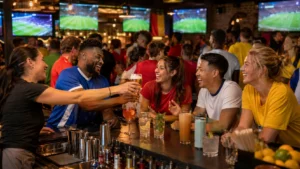
World Cup traffic is not a normal sports bump. It is not one big game, one long weekend, or one city getting loud for a few hours.
The 2026 FIFA World Cup runs across 104 matches in 16 host cities across the U.S., Canada, and Mexico, according to FIFA’s official match schedule. That creates weeks of uneven, high-intent traffic: early kickoffs, lunch matches, after-work crowds, national fan bases, neighborhood watch parties, stadium district spillover, and casual fans looking for somewhere with the game on.
That kind of demand does not reward bars that wait for walk-ins. It rewards the accounts that tell consumers where to go, what is on special, and why that match should be watched there.
For beverage brands, the opportunity is just as clear. World Cup traffic will shape beer, RTD, spirits, and NA choices in real bars. But only the brands connected to actual account-level promotions will have a shot at owning the order.
Match Traffic Is Not Guaranteed Traffic
Brands and bars love big sports events because the crowd feels obvious. Put the game on. Open the doors. Let the fans come in.
That is not a plan. That is a coin toss.
World Cup traffic will not hit every account evenly. A neighborhood bar with the right fan base may outperform a bigger venue with no promotion. A restaurant with lunch traffic may win a midweek match that a late-night bar misses completely. A bar near a stadium district may get crushed during one window and dead the next afternoon.
The accounts that win will understand the match calendar, the local audience, and the day part. They will not promote “World Cup specials” as one vague idea for five weeks. They will build around the actual moments that matter.
The Best Promotions Start Before Kickoff
A bar promotion should not begin when the first guest asks whether the match is on. By then, the consumer has already chosen the venue.
The real fight happens earlier. Someone is deciding where to watch. A group chat is picking a spot. A fan is searching nearby. A casual consumer is deciding whether to make the match part of lunch, happy hour, or dinner.
That is the moment bars and brands need to reach.
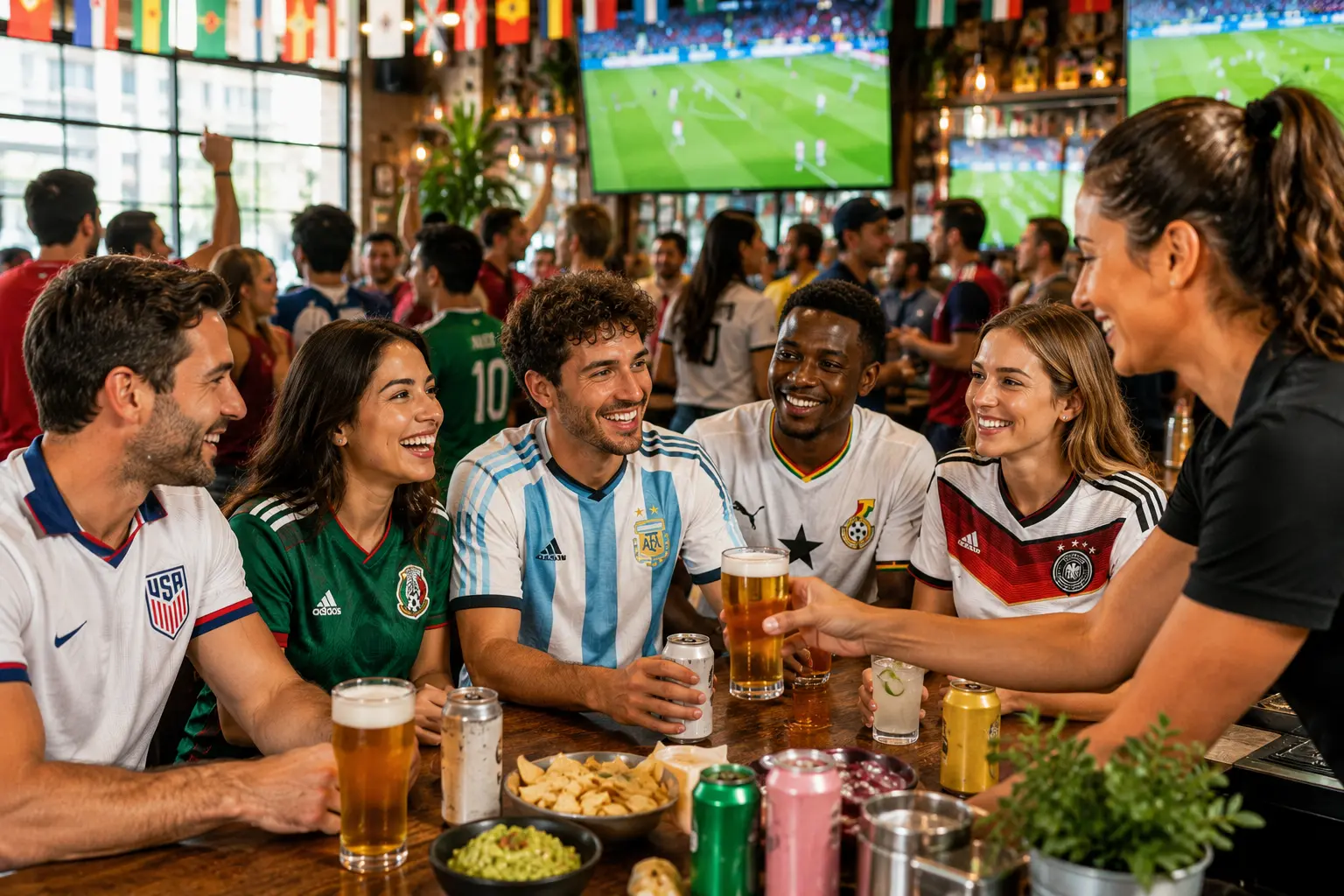
Beer Institute’s 2026 trends outlook says beer choices during the tournament will likely reflect the global nature of the event, with cross-cultural fan bases gathering in bars, stadium districts, and at home for viewing. That is the hook: global fan energy, local account decisions.
A strong World Cup promotion gives consumers a clear reason to choose the account before they arrive:
- A match-specific beer feature tied to the teams playing.
- A brunch or lunch special built around early kickoffs.
- A group offer for tables watching together.
- A patio watch party with a featured draft, RTD, or zero-proof option.
- A neighborhood fan-base night that gives regulars a reason to claim the bar.
Generic sports promos will get ignored. Specific match moments will move people.
Brands Need More Than Logo Exposure
For beverage brands, the World Cup can look like a visibility dream. Flags everywhere. Jerseys everywhere. Packed bars. High-energy photos. Plenty of reasons to sponsor something.
But visibility without conversion is just decoration.
A brand does not win because it appears near a screen. It wins when the bartender has a reason to recommend it, the guest has a reason to order it, and the account has a reason to keep featuring it after the match ends.
That means brands should stop thinking only in terms of broad tournament awareness. The better question is where the brand can create account-specific pull.
Brands should start with the accounts that have the right fan base, then match the product to the dayparts where it can actually win. From there, focus on venues that can turn a feature into repeat orders and promotions that reach nearby consumers before they decide where to watch.
That is a smarter way to build bar promotion ideas for World Cup traffic. Not bigger. Sharper.
Retailers Should Build a Match Calendar, Not a Flyer
Bars and restaurants need to treat the tournament like a trading calendar. Some matches deserve a full push, while others only need light support. Specials should be timed around the strongest traffic windows, and each product should be matched to the audience most likely to order it.
A better plan starts with the match windows that matter most to the account. National team games. Knockout rounds. Weekend matches. Lunch kickoffs. Local host-city surges. Nearby fan clubs. Stadium district spillover. Those are different occasions, and they need different offers.
Retailers should map the calendar around three questions:
- Which matches are most likely to create traffic for this specific location?
- Which beverage offers fit the daypart, audience, and service model?
- How will nearby consumers know the promotion exists before they choose a bar?
That last question is where too many accounts fail. The special can be good. The screen setup can be ready. The staff can be prepared. But if the nearby consumer does not see the offer in time, the traffic goes somewhere else.
The Winning Account Will Feel Local
World Cup energy is global, but bar choice is local. That is the whole game.
A fan does not need every bar in the city. They need the right one nearby: a place showing the match, running the offer, seating the group, and making the occasion feel worth leaving the house for.
Brands and retailers that understand this will use localization as the advantage. They will build promotions around specific accounts, specific matches, specific neighborhoods, and specific consumer intent. They will give field teams something measurable to point to, not just a tournament recap full of crowd photos.
AppyHour® was built for that kind of activation. We help bars and restaurants publish real-time specials, help brands activate near high-intent consumers, and turn event-driven traffic into measurable account-level action. World Cup traffic is coming. The bars that win will not wait for walk-ins. They will be promo-ready before the first whistle.