
Beverage alcohol brands invest billions of dollars each year in on-premise marketing.
Displays, POS kits, incentives, activations, and digital support all promise the same outcome: increased trial, velocity, and brand preference at the bar.
Yet for many suppliers, the results consistently underperform expectations.
The issue, however, isn’t a lack of spend. It’s where that spend breaks down.
As a result, too much on-premise marketing investment fails to support the business reality of bars and restaurants—and when operators don’t see value, execution suffers and ROI disappears.
When On-Premise Marketing Doesn’t Help the Bar, It Doesn’t Work
Bars and restaurants don’t ignore brands.
They ignore ineffective marketing.
Today, operators are under constant pressure: tight margins, staffing challenges, and intense local competition. Any program that adds friction without clear upside is deprioritized, regardless of brand size or incentive.
Common on-premise marketing mistakes include:
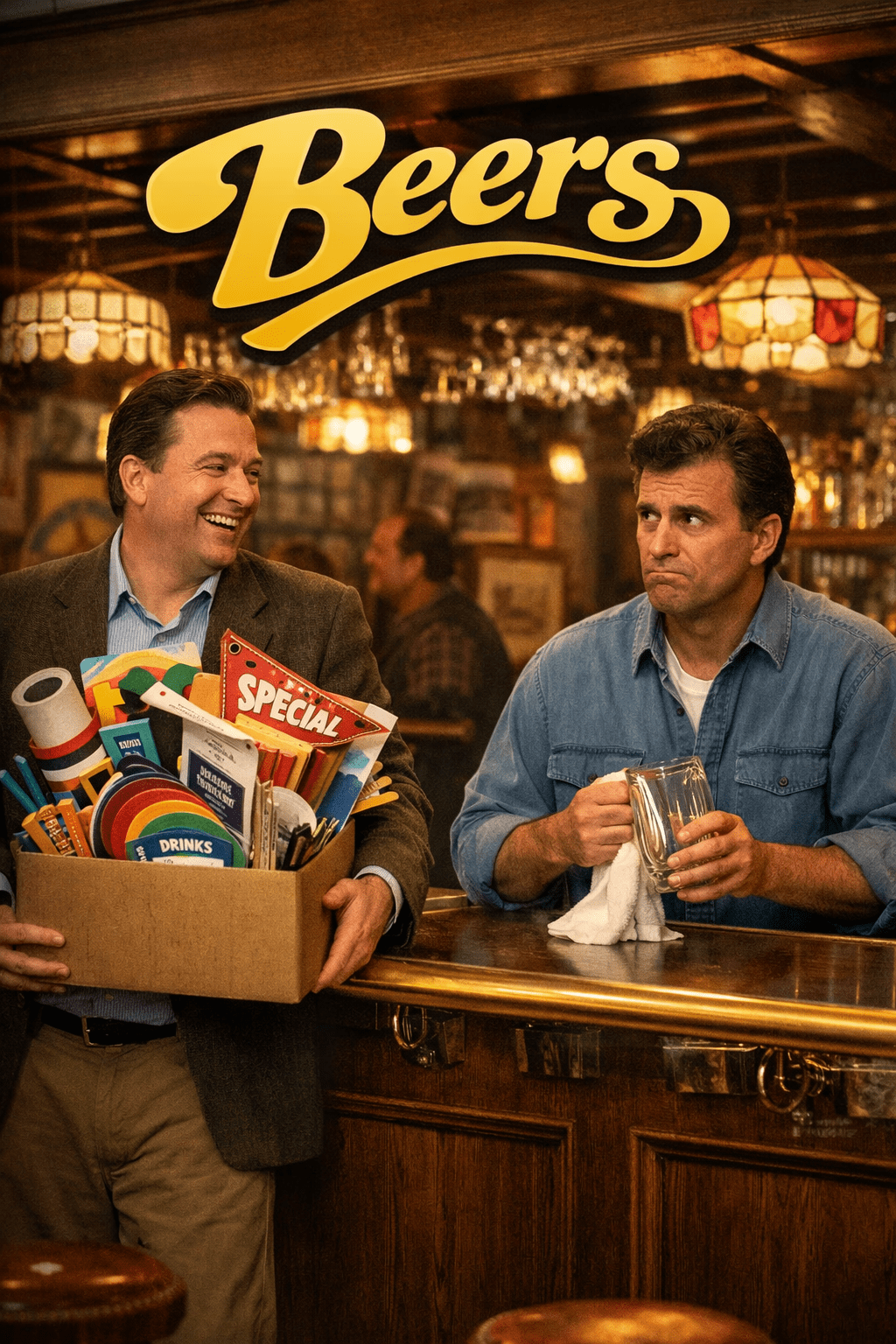
- POS materials that clutter the bar and never get displayed
- Cocktail programs that are too complex to execute consistently
- One-night activations with no lasting impact
- Digital campaigns that never translate into guests walking through the door
From the brand’s perspective, the budget is spent.
From the operator’s perspective, nothing improves.
That gap is where on-premise marketing ROI breaks.
The Operator Reality Many Supplier Strategies Overlook
Effective on-premise alcohol marketing starts with one truth:
operators care about business outcomes, not brand assets.
Bars and restaurants prioritize:
- Foot traffic, especially during slower dayparts
- Higher average check size
- Simple, staff-friendly execution
- Repeat visits—not one-time spikes
If a marketing program doesn’t clearly support at least one of these goals, it is unlikely to be executed consistently—no matter how strong the brand relationship.
POS Clutter Is Not Persuasion
Traditional POS remains one of the most overused—and underperforming—tools in beverage alcohol trade marketing.
Backbars and tabletops are already saturated. As a result:
- Large amounts of POS never leave storage
- Even less of it influences consumer choice
- Operators prioritize items that improve efficiency or revenue
When POS doesn’t serve the operator, it becomes invisible.
That’s marketing spend hiding in plain sight.
One-Off Activations Rarely Produce Sustainable ROI
Brand takeovers, launch parties, and sponsored nights can be effective—but only when they are part of a broader on-premise strategy.
Too often, brands:
- Spend heavily on a single activation
- Measure success by attendance or social content
- Move on without sustained consumer engagement
Without a mechanism to bring guests back, these efforts fail to create long-term value for the account—or repeatable ROI for the brand.
Bartender Influence Matters—but Simplicity Wins
Bartenders influence a majority of on-premise purchase decisions. But influence only works when programs fit naturally into service.
Marketing that relies on:
- Memorized scripts
- Complex promotions
- Manual tracking
breaks down during real-world service.
The most effective on-premise beverage alcohol marketing:
- Fits seamlessly into service flow
- Gives bartenders something guests already want
- Makes recommendations effortless
When marketing supports the bar, brands earn priority.
When it disrupts service, brands lose relevance.
Why This Failure Is So Costly for Suppliers
Spending without supporting the operator creates a cascading effect:
- Inconsistent execution at retail accounts
- Reduced distributor confidence
- Weaker brand leverage on-premise
- Lower velocity, trial, and repeat purchase
The dollars are spent—but the results never materialize.
This is one of the largest hidden drains on beverage alcohol marketing ROI.
What Effective On-Premise Marketing Looks Like Today
High-performing beverage alcohol brands are shifting toward strategies that:
- Drive real consumer traffic to bars and restaurants
- Align with operator business goals
- Are simple, scalable, and repeatable
- Can be measured beyond impressions
In short, they invest in on-premise marketing that creates mutual value—for the brand, the distributor, and the account.
Why AppyHour Works for Beverage Alcohol Brands
AppyHour was built to solve the core failure of traditional on-premise marketing: the disconnect between brand spend and operator success.
AppyHour helps suppliers:
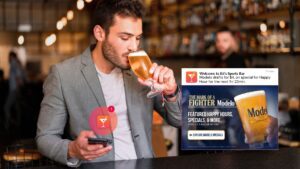
- Reach high-intent consumers actively deciding where to go
- Promote real on-premise specials and brand moments
- Support bars by driving traffic during slow periods
- Measure impact tied to real-world behavior—not vanity metrics
Instead of asking bars to do more, AppyHour brings guests to them.
That’s the difference.
The Takeaway for Beverage Alcohol Brands
The most expensive mistake in on-premise beverage alcohol marketing isn’t under-spending.
It’s spending money on programs that don’t help the bar.
When brands prioritize operator value, execution improves, partnerships strengthen, and marketing dollars finally do what they’re meant to do—sell more drinks.