

Let’s just say it.
Most suppliers celebrate chain authorizations way too early. I’ve sat in those meetings. Toasts after the buyer says yes. Slack blowing up. Investors high-fiving.
And six months later? Panic.
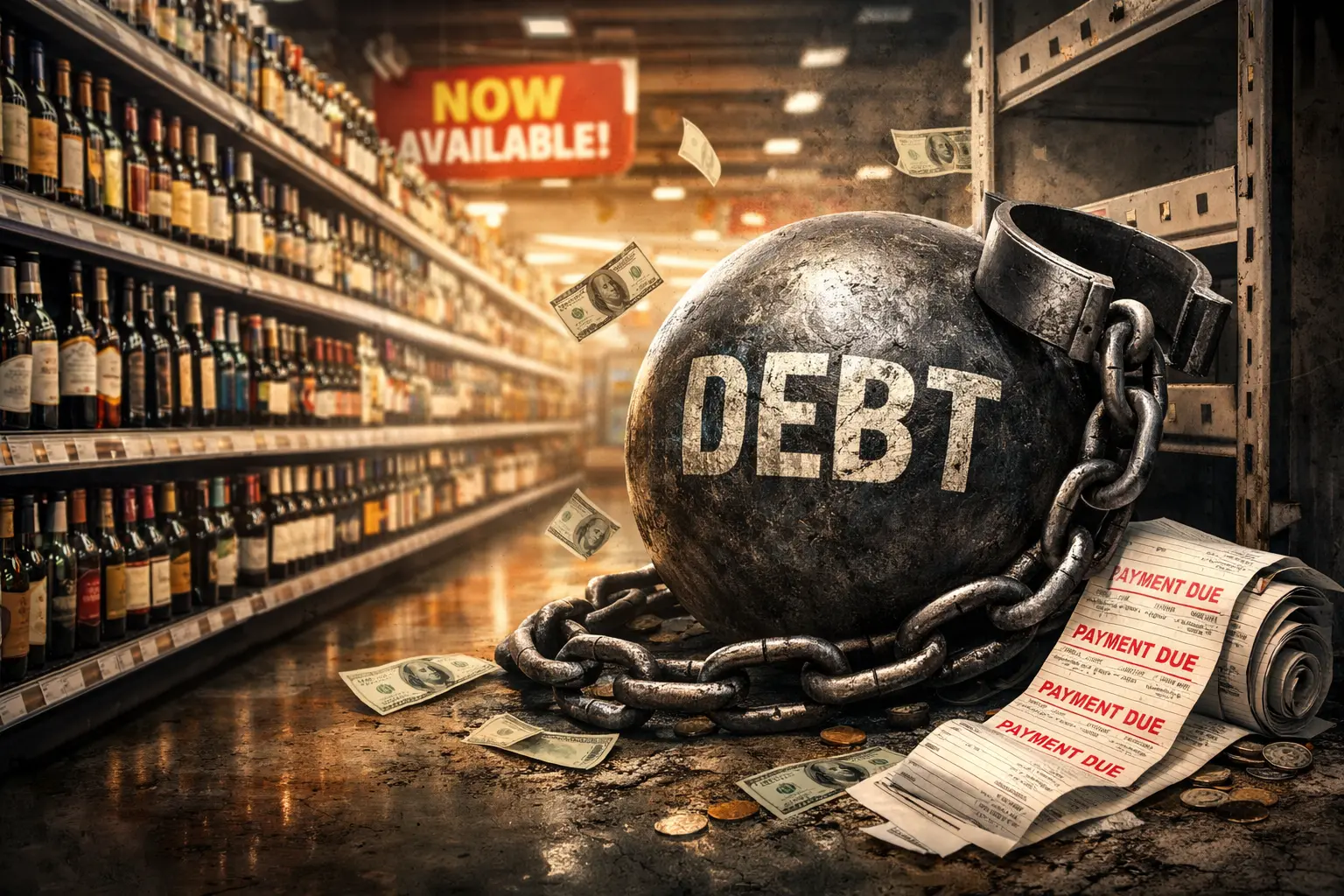
Your chain placement strategy isn’t a trophy. It’s a debt instrument. You just borrowed shelf space and the repayment terms are brutal. If you don’t understand that, you’re about to learn the hard way.
Chain Placement Strategy Is a Loan — Not a Victory
Here’s the uncomfortable truth:
Chains don’t build brands. They expose weak ones.
When you land national or regional placement, you’re stepping into a velocity algorithm that doesn’t care about your story, your founder hustle, or your Instagram engagement. It cares about scans per week.
I’ve watched this play out for over 20 years across beer resets, wine category reviews, spirits set changes. The pattern is consistent. Brands mistake distribution for demand.
Distribution is access. Demand is survival.
If your chain placement strategy is “get the shelf and figure it out later,” you don’t have a strategy. You have hope.
Hope doesn’t beat a 13-week scan review.
The ACV Lie That Kills Smart People
ACV feels good on investor decks.
“Look, we’re at 42% ACV!”
Great. Are you at 0.8 scans per week per store?
I’ve personally walked chains where a brand was in prime position in multiple doors and still invisible. No secondary placement. No display support. No field execution. Just one lonely facing bleeding slowly.
Here’s the part founders hate hearing:
High ACV with low velocity is worse than low ACV with high velocity. Because chains talk. Buyers move. Data follows you. And nothing travels faster than “they didn’t perform.” That reputation sticks longer than your cash runway.
Operator Scar: I’ve Watched the Death Spiral Up Close
Since 2006, I’ve sat on both sides of this. First carrying the bag as a distributor manager, then sitting in supplier meetings trying to defend numbers that weren’t there.
And I can’t tell you how many times I’ve watched a brand celebrate a chain authorization they weren’t ready for.
Not once. Not twice. Dozens.
They land the grocery win. Leadership sends the press release. The sales team posts the shelf shots. Everyone acts like they’ve arrived.
But underneath?
- No real programming.
- No field execution plan.
- No demand built in advance.
- No velocity history to stand on.
Just distribution and within months the pattern shows up:
- Scan velocity misses the threshold.
- Displays don’t convert.
- Reorders slow.
- The distributor quietly reallocates attention to brands that are actually moving.
Then reset season comes.
And the SKU disappears.
The part most founders don’t understand is the long memory. Buyers remember who underperformed. Category managers move retailers. Data follows you. I’ve seen brands fight for years to get back into chains after one bad cycle. I’ve seen that movie more than a dozen times since.
Chain placement without pull-through is just a countdown clock.
What Most Brands Get Wrong About Chain Placement Strategy
Let’s call it out. Most suppliers chase chains because it looks like scale. But what they’re actually chasing is validation….. And validation is expensive.
They skip the hard work:
- Owning independents.
- Building bartender advocacy.
- Driving real local velocity.
- Proving repeat purchase before expanding footprint.
Winners flip the sequence. They make chains come to them.
If buyers hear about your brand from their customers before your pitch deck, your leverage changes overnight.
That’s a real chain placement strategy.
The Anti-Discount Crutch: Stop Buying Your Way In
When velocity starts to wobble, what do most brands do?
- They discount.
- They fund TPRs.
- They stack display allowances.
- They beg for end caps.
- They pray for feature ads.
Here’s the problem:
Deal velocity isn’t real velocity.
You’re renting performance. And chains know it.
Every time you lean on discounts to “protect” your shelf space, you train the buyer to expect funding and you teach consumers your brand isn’t worth full price. I’ve seen brands stuck in permanent deal cycles where 60% of volume moves on promo. That’s not growth. That’s margin erosion with better optics.
If your chain placement strategy depends on funding your way to survival, you didn’t earn the shelf in the first place.
The Counterintuitive Truth: Win Small Before You Win Big
This will make some founders defensive:
If you can’t dominate 50 stores, you have no business being in 500.
Scale magnifies weakness. It doesn’t solve it.
Chains are oxygen amplifiers. If your brand is already on fire, they help it burn brighter. If it’s smoldering, they suffocate it.
The brands that last:
- Prove repeat velocity in tight geographies.
- Build distributor pull, not push.
- Create consumer demand that shows up before resets.
- Walk into chain meetings with data, not dreams.
Chain placement becomes an outcome, not the strategy.
“Distribution doesn’t create demand. It exposes whether you have it.”
If your team isn’t aligned around that sentence, you’re about to waste a lot of money.
What a Real Chain Placement Strategy Looks Like
- Prove 52-week velocity in core markets.
- Secure distributor enthusiasm organically — not through pressure.
- Show independent success that buyers can verify.
- Enter chains regionally before going national.
- Plan for full-price performance first. Promotions second.
And maybe most important:
Be willing to say no to premature scale.
Here’s the Hard Question
Are you chasing chain placement because it’s right for your brand or because you need a headline?
Be honest.
Because chains don’t care about your press release. They care about scans. If your chain placement strategy isn’t built on real demand, then you’re not scaling. You’re accelerating your own reset.
If you’re a supplier reading this, then take a hard look at your footprint. Would your brand survive if every promotion disappeared tomorrow?
If the answer is no, you’ve got work to do.
Now decide are you building demand first? Or are you borrowing shelf space and hoping nobody notices?